What Happens at the End of a Renewable Energy Project's Life?
Share What Happens at the End of a Renewable Energy Project's Life? on FacebookShare What Happens at the End of a Renewable Energy Project's Life? on X (formerly Twitter)Share What Happens at the End of a Renewable Energy Project's Life? on LinkedinEmail What Happens at the End of a Renewable Energy Project's Life? link
What Happens at the End of a Renewable Energy Project's Life?
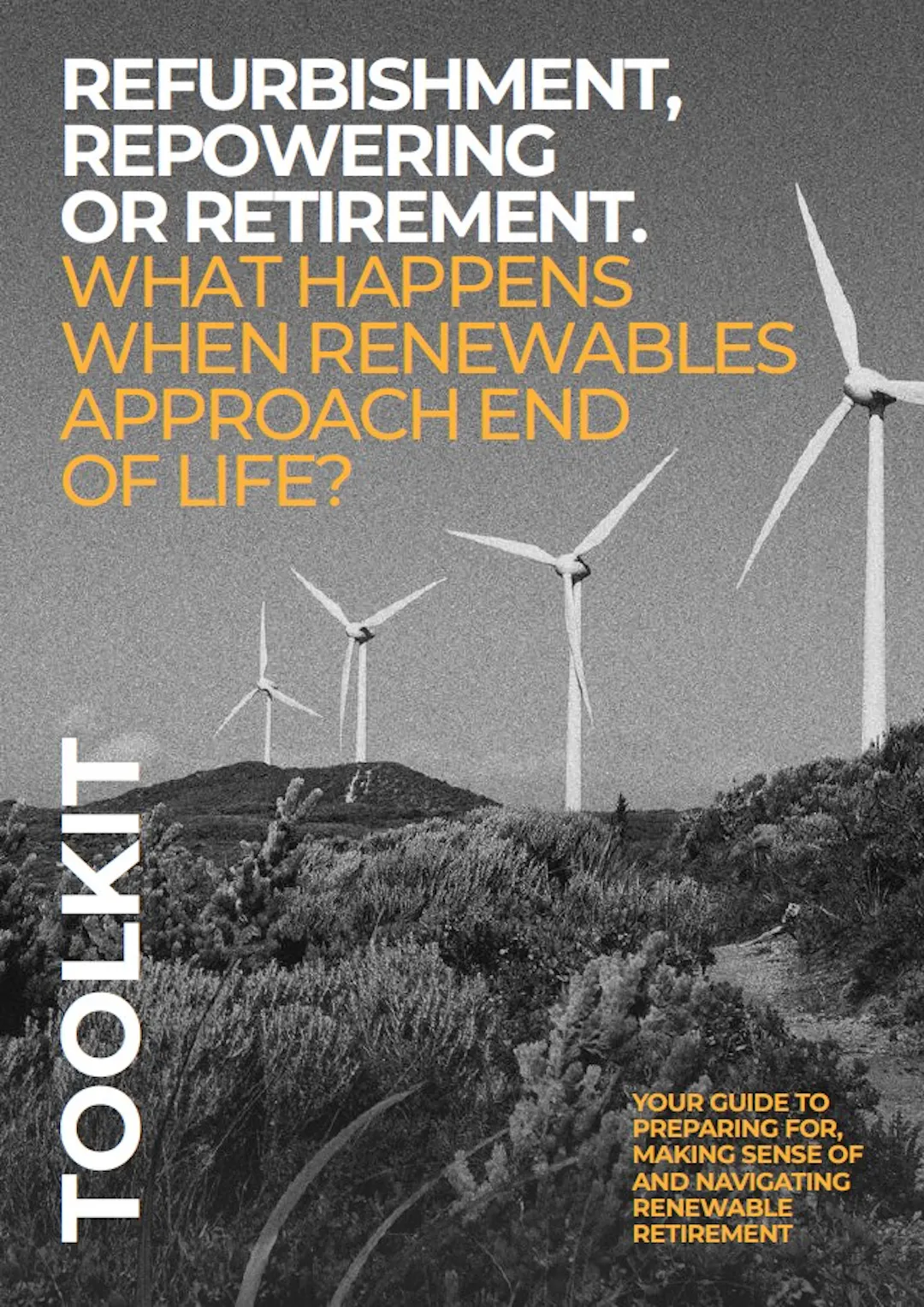
As renewable energy projects age, landholders and communities often ask what happens when a wind, solar or battery project reaches the end of its operational life. A new toolkit developed by RE-Alliance explains the options available and provides practical information for landholders, local councils and regional communities.
There are three potential pathways for renewable energy infrastructure at the end of its original operating life:
Refurbishment: Upgrading or replacing worn components to extend the life of the existing project.
Repowering: Replacing existing equipment with newer and more efficient technology, which may also include energy storage or other technologies.
Decommissioning: Removing infrastructure and rehabilitating the site in accordance with landholder agreements and regulatory requirements.
Many renewable energy projects are designed to operate for several decades, and in some cases existing infrastructure may continue to provide value through ongoing maintenance, upgrades and technological improvements. Decisions about a project's future are typically informed by economic, technical, environmental and community considerations.
The RE-Alliance tool kit aims to provide clear, factual information to help communities better understand renewable energy project life cycles and the planning considerations associated with refurbishment, repowering or decommissioning.
What Happens at the End of a Renewable Energy Project's Life?
As renewable energy projects age, landholders and communities often ask what happens when a wind, solar or battery project reaches the end of its operational life. A new toolkit developed by RE-Alliance explains the options available and provides practical information for landholders, local councils and regional communities.
There are three potential pathways for renewable energy infrastructure at the end of its original operating life:
Refurbishment: Upgrading or replacing worn components to extend the life of the existing project.
Repowering: Replacing existing equipment with newer and more efficient technology, which may also include energy storage or other technologies.
Decommissioning: Removing infrastructure and rehabilitating the site in accordance with landholder agreements and regulatory requirements.
Many renewable energy projects are designed to operate for several decades, and in some cases existing infrastructure may continue to provide value through ongoing maintenance, upgrades and technological improvements. Decisions about a project's future are typically informed by economic, technical, environmental and community considerations.
The RE-Alliance tool kit aims to provide clear, factual information to help communities better understand renewable energy project life cycles and the planning considerations associated with refurbishment, repowering or decommissioning.